Map the project
Resources, infrastructure, suppliers, markets, permits, economics and dependencies.
Project design · intelligence · acceleration
I map complex projects, diagnose where value or risk is hiding, and build the models, adapters and decision tools that make it visible.

01 / Position
I connect the commercial, technical and operational system, then go into the data, code or workflow where leverage is hiding.
Why now
AI and modern software make it possible to build project-specific intelligence at a fraction of the previous cost. The point is not to “add AI”; it is to turn fragmented evidence into a clearer decision.
02 / Capability
Start with the hard live question, understand the system around it, and build the smallest useful model, adapter or decision tool.
Resources, infrastructure, suppliers, markets, permits, economics and dependencies.
Documents, telemetry, market data and commitments, plus the drivers, APIs and adapters needed to make the underlying signal reliable.
Models, visualisations, custom tools, action graphs and workflows built around live management decisions.
03 / Method
Understand the system. Isolate the leverage. Build enough to test it. Expand when the work proves useful.
Learn the project, its operating context and the hard live question.
Find the constraint, missing connection or unreliable signal controlling the decision.
Create the smallest useful model, adapter, visualisation or working tool.
Put it in use, test whether it improves the decision, and expand only when it earns its place.
04 / Working proof
An open energy-modelling and simulation platform that automates site targeting and turns real-world energy sites into decision-ready digital twins.
Automate prospect targeting; collate local grid and market context; segment usable areas and estimate capacity.
Link site geometry, generation, storage, load, grid and market components in a configurable graph model.
Run scenarios, backtest assumptions and monitor market and operating performance as the project develops.
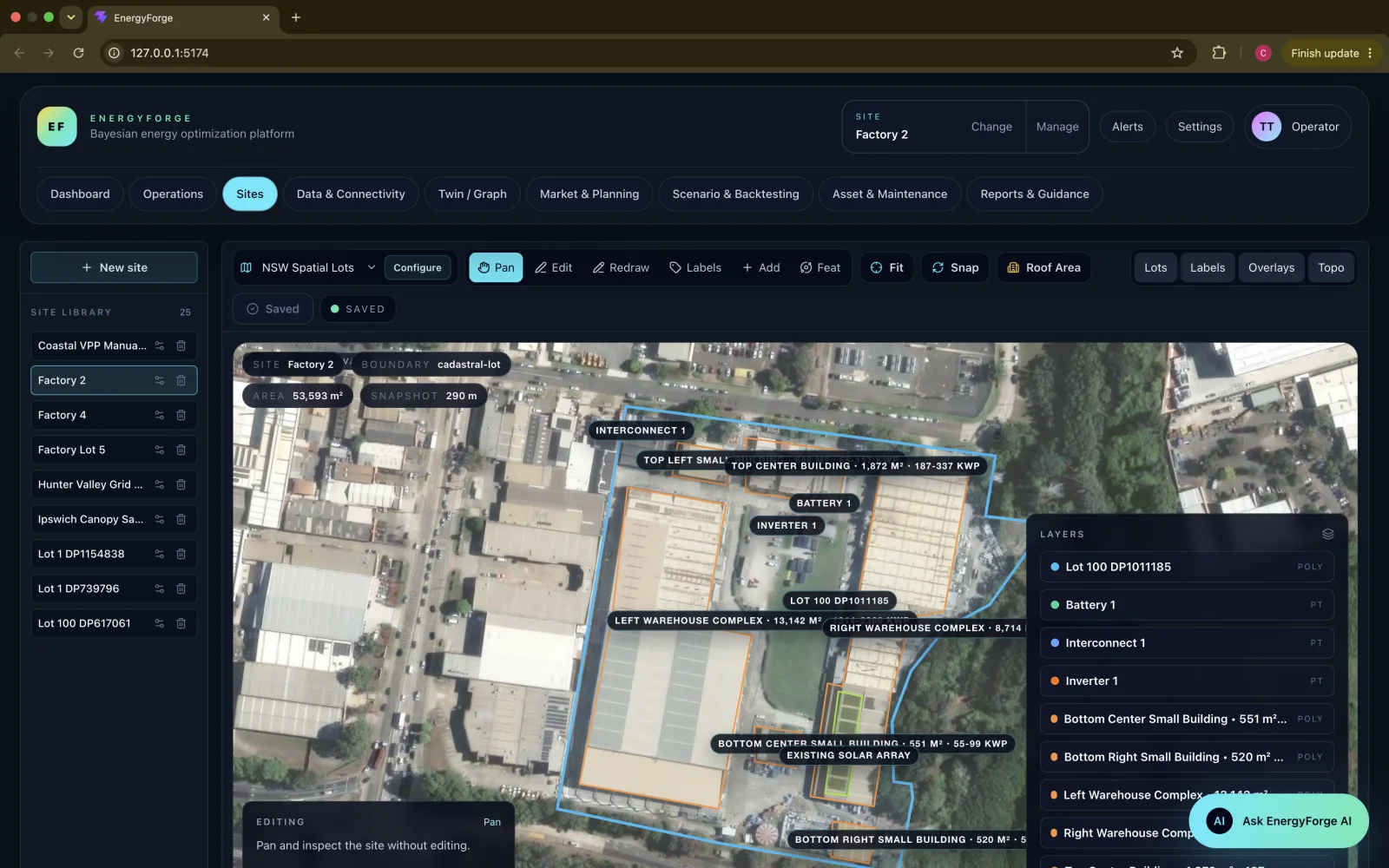
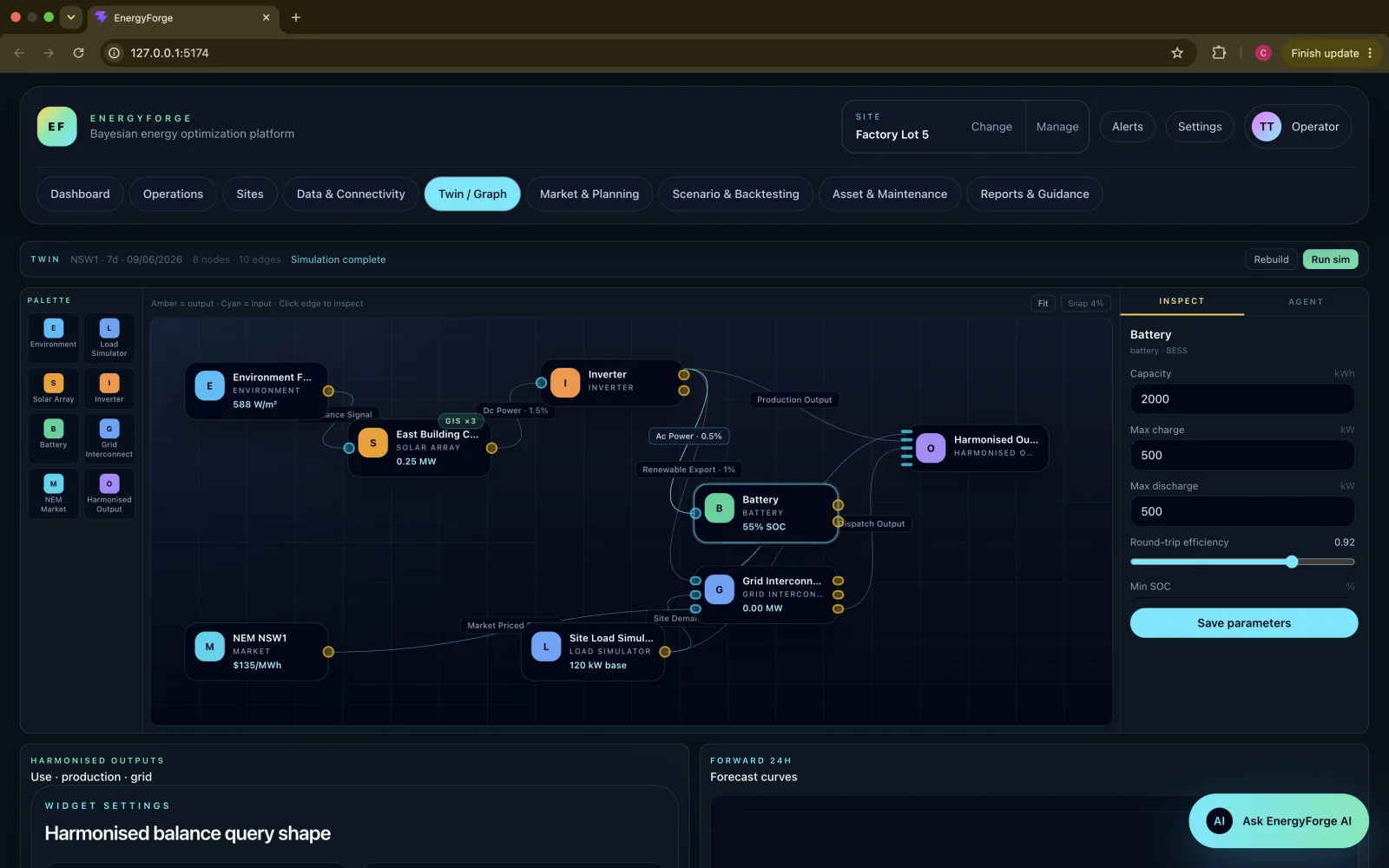
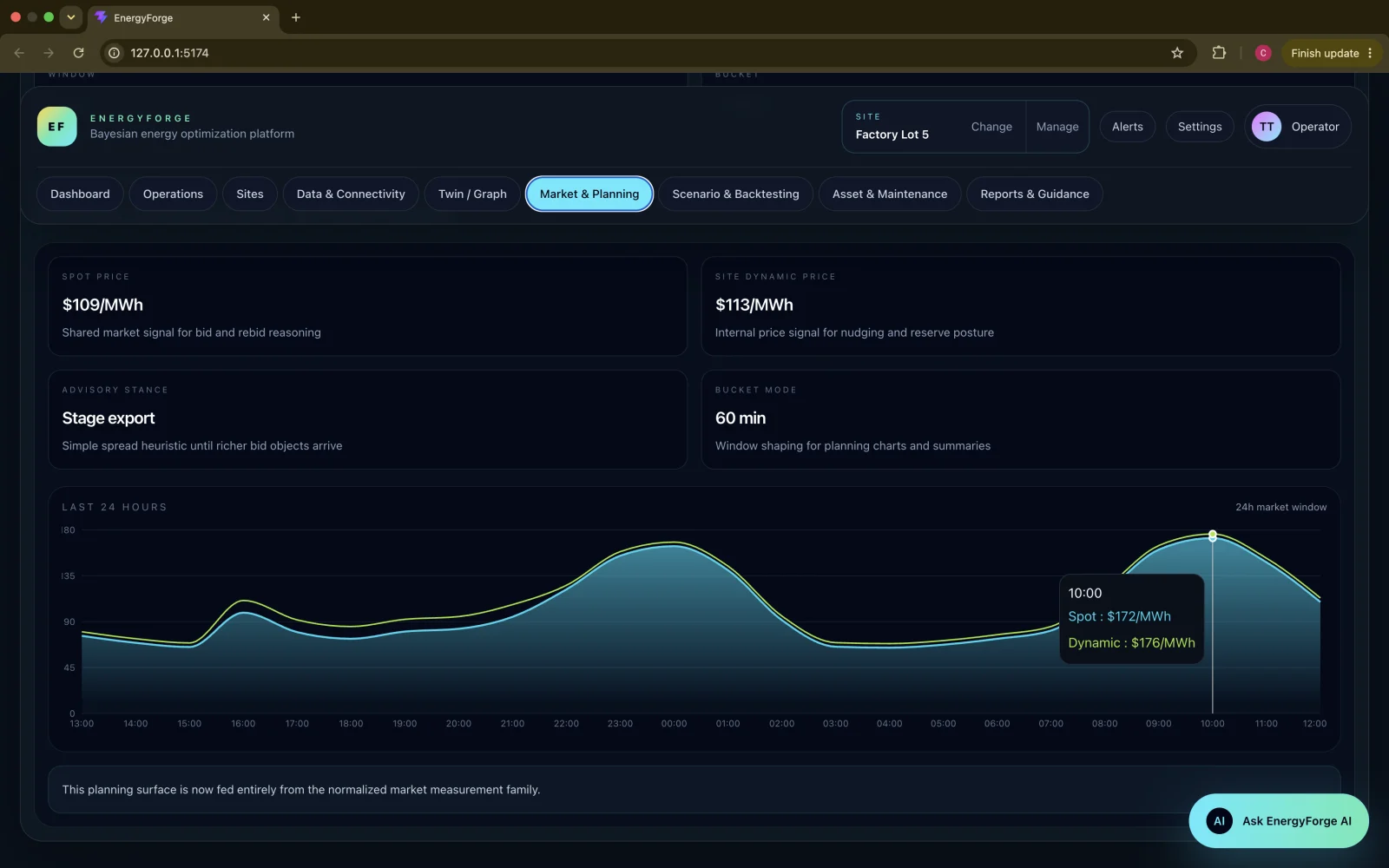
A decision framework for early-stage project assessment. It combines project records, public data, spatial models and design criteria in one working document. Management and technical teams can see what is known, what is inferred, what remains missing and which work should be done next.
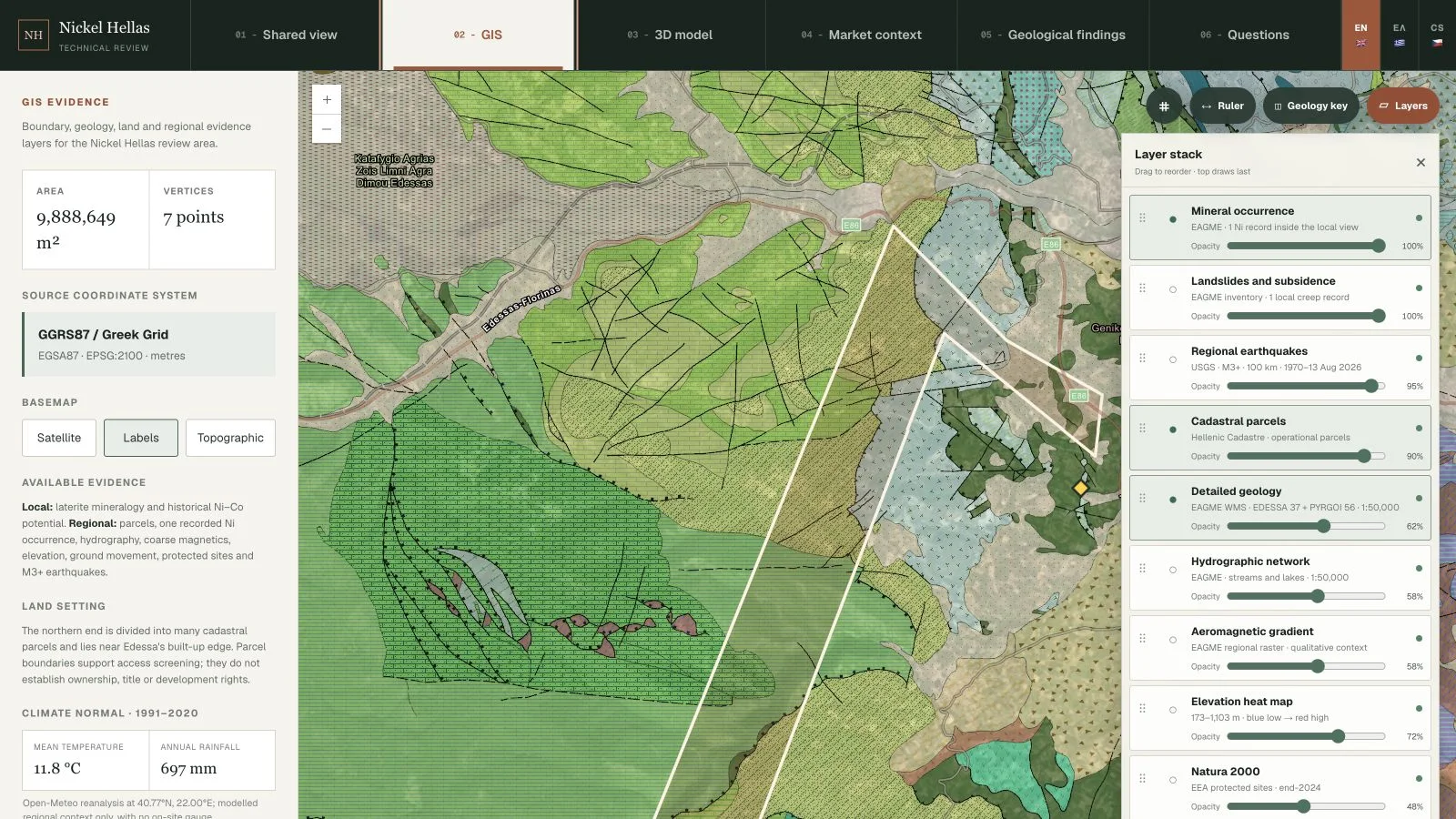
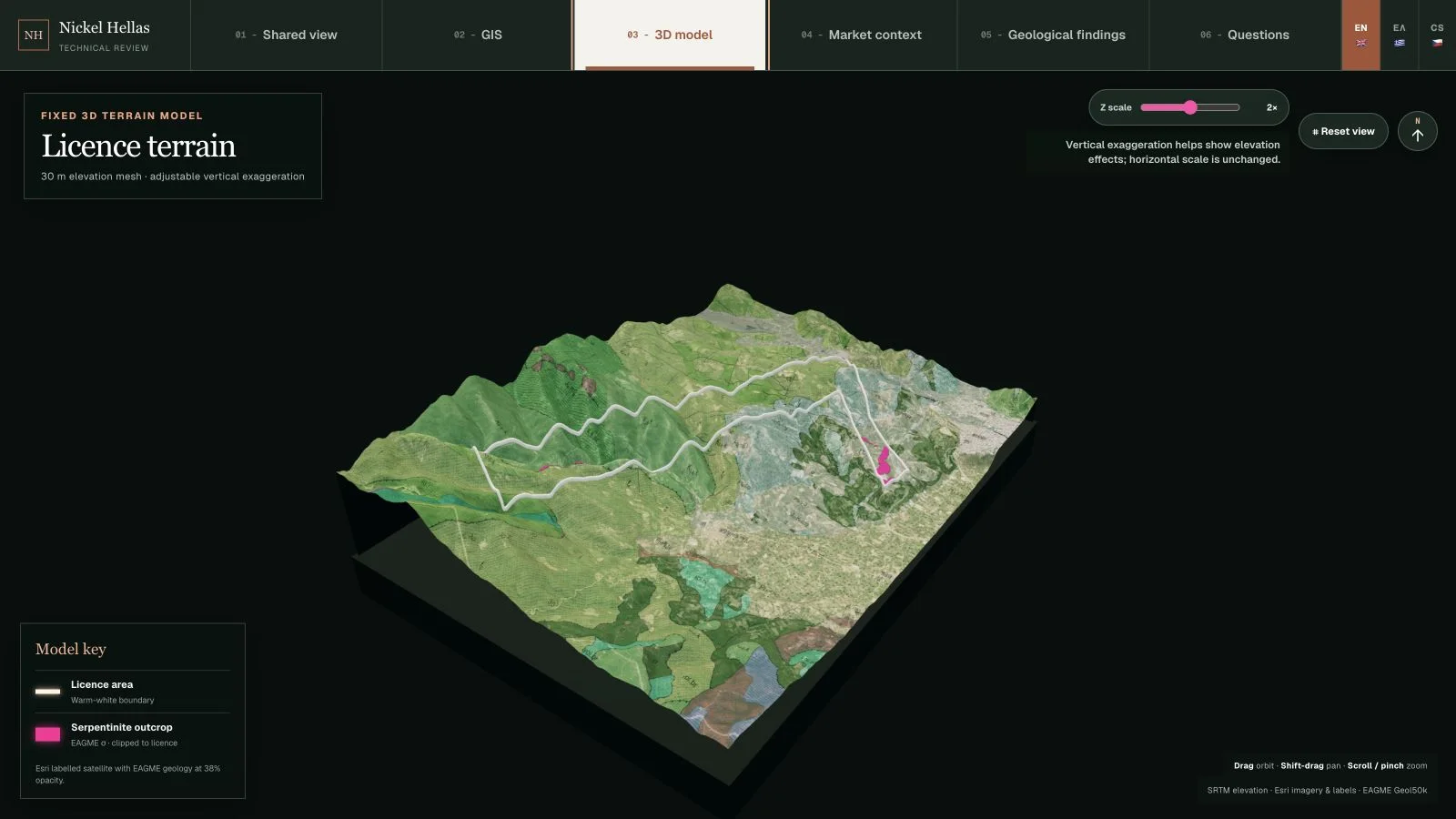
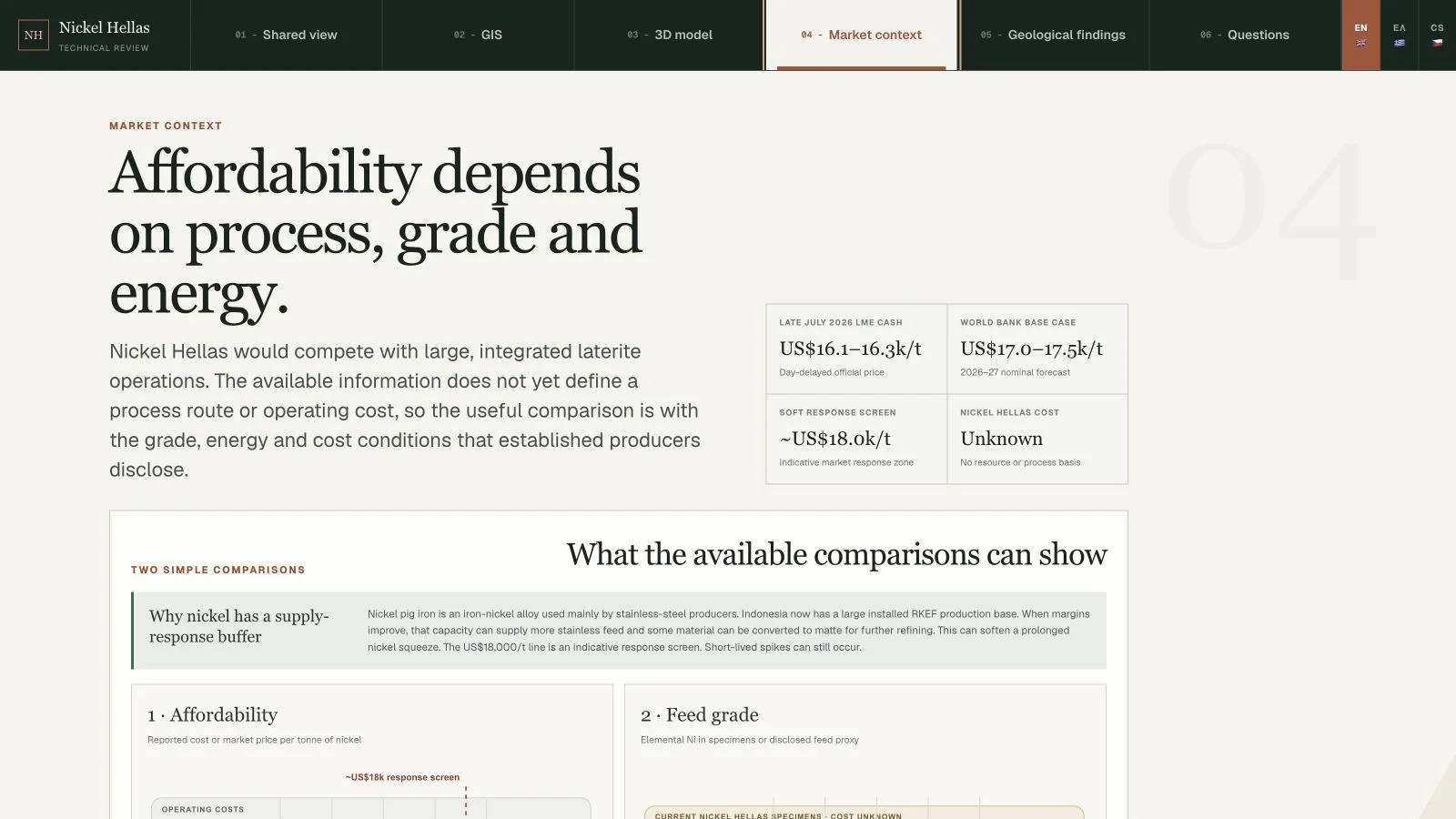
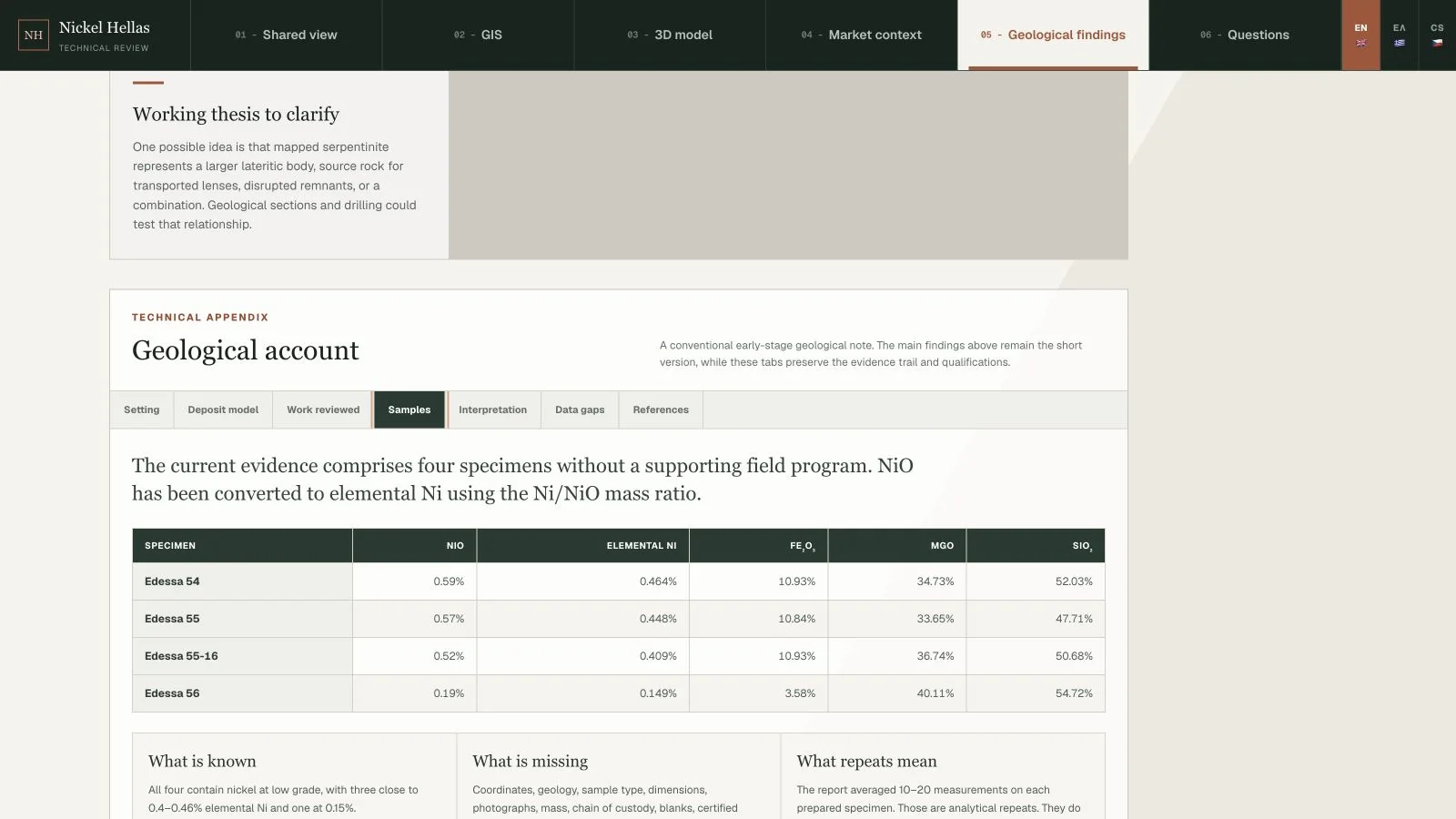
Supports project screening, work-program design and feasibility planning. Formal resource estimation, engineering design and independent feasibility work remain separate governed workstreams.
Compare solar telemetry with supplier commitments, separate meaningful divergence from noise, and identify where management should investigate or act.
05 / Experience
Cross-functional projects where commercial, technical and operating questions are entangled; important signal is fragmented; or the team needs to move from research to a decision.
Based in Italy. Working globally.
06 / Conversation
A bounded, high-value question. Small enough to move quickly, useful enough to prove its value, and capable of expanding if the fit is strong.
The first step might be a diagnostic, model or working prototype. Let the evidence shape what comes next.
For the right project, I’m prepared to take the first bounded piece of work on spec.
Send me the live question →troy@travlos.net